PANSPERMIA

Chris Schanck

Oct-Nov 2023

David Gill Gallery is delighted to announce ‘Rebuilding Reason’.

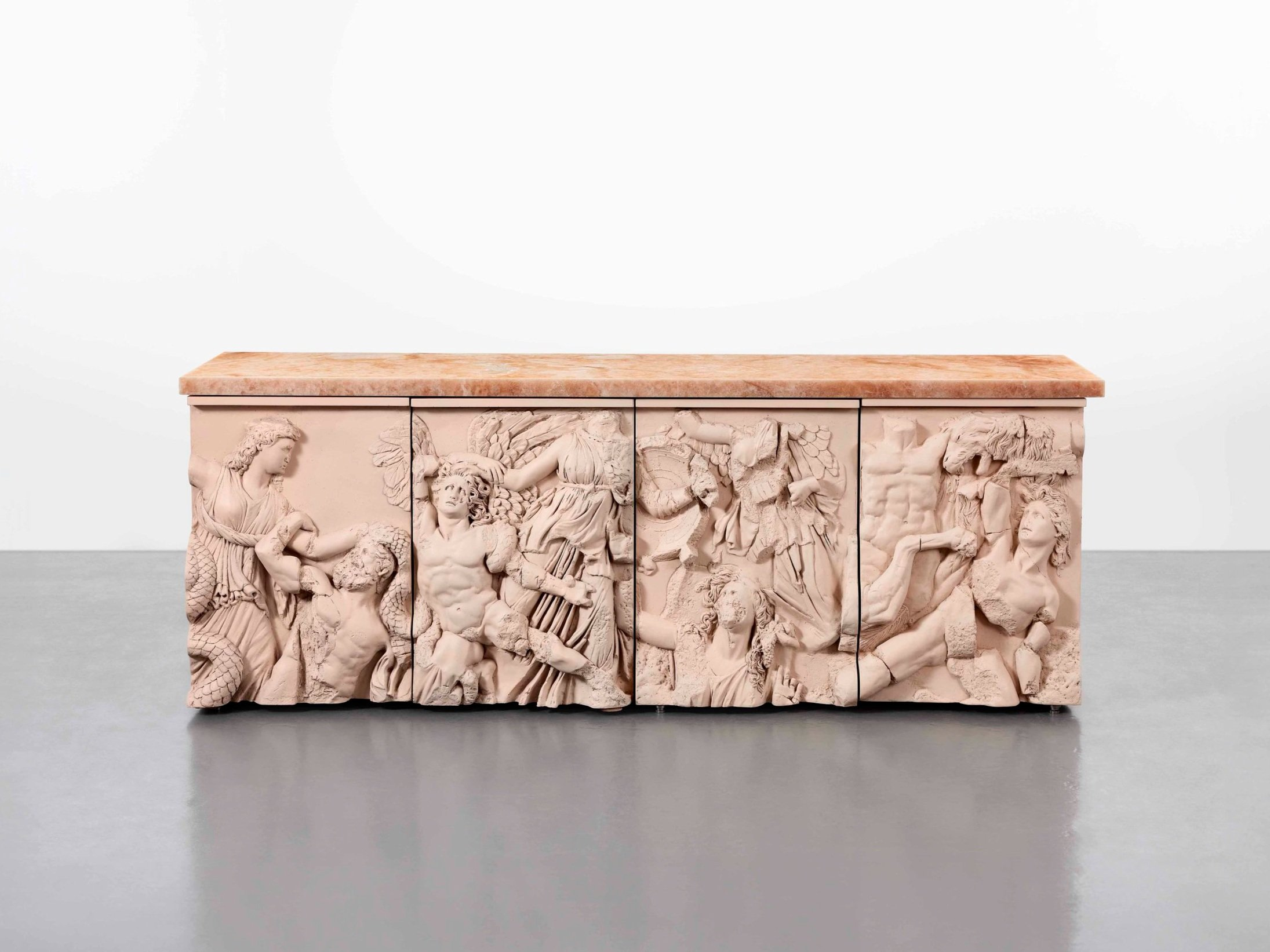
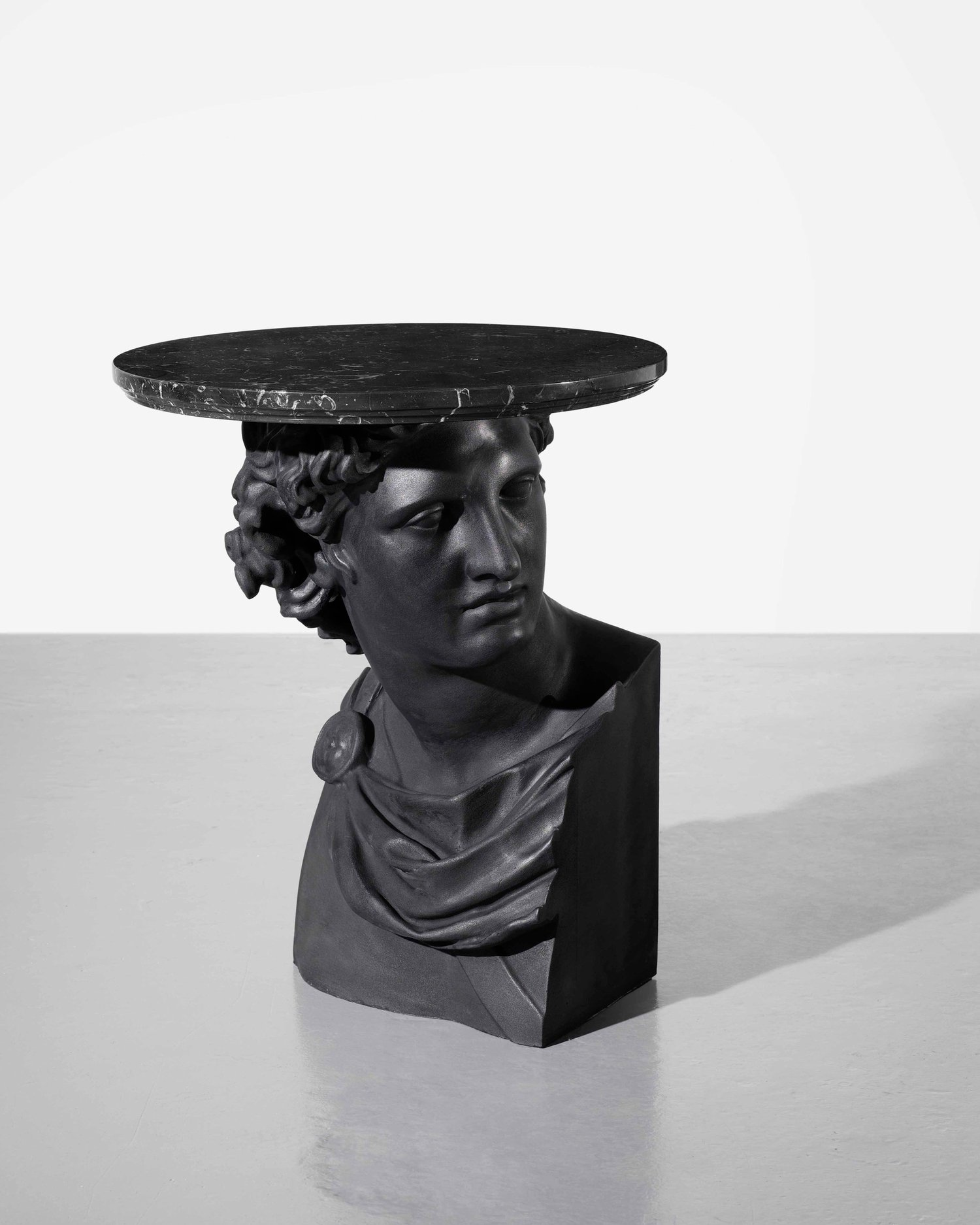
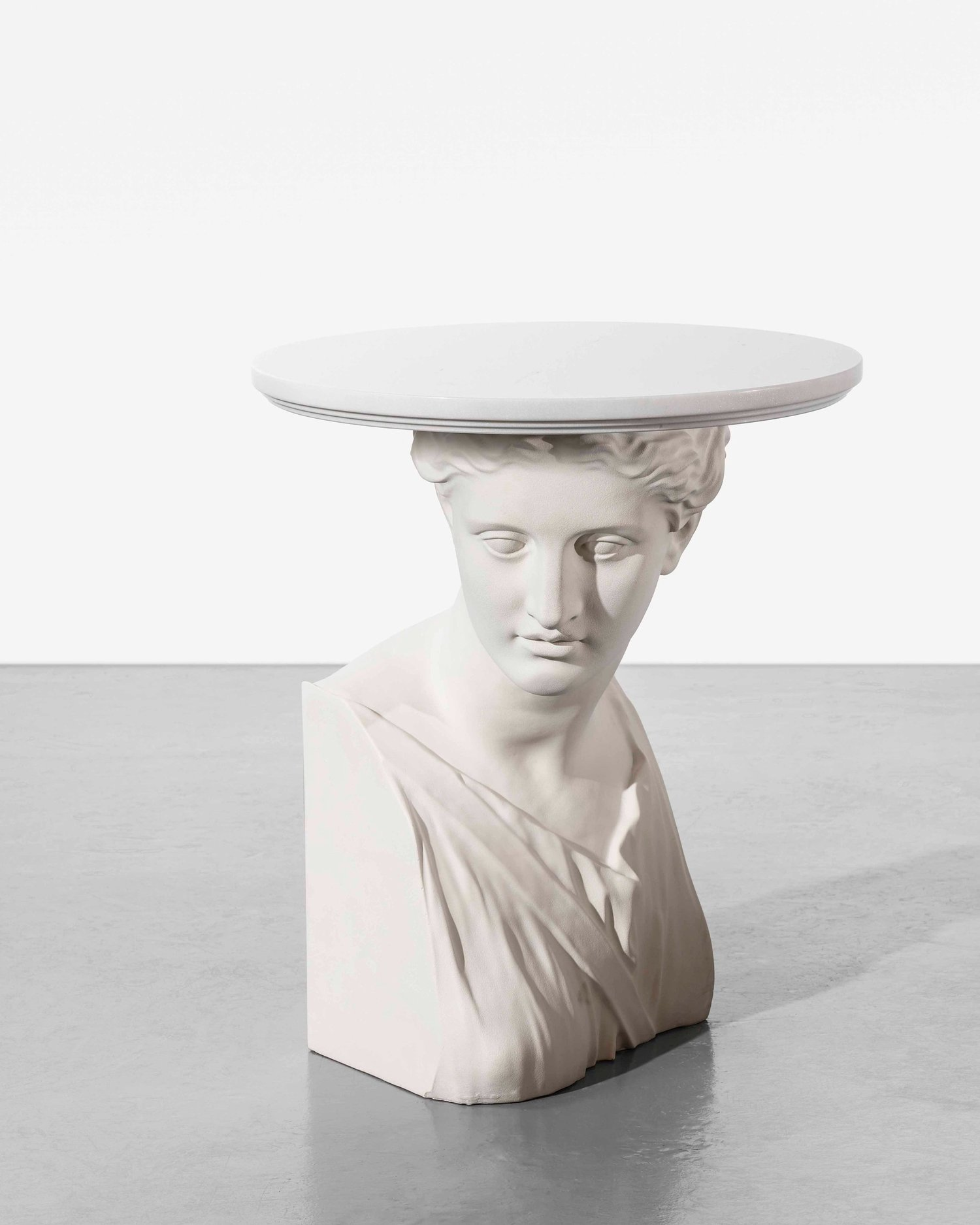
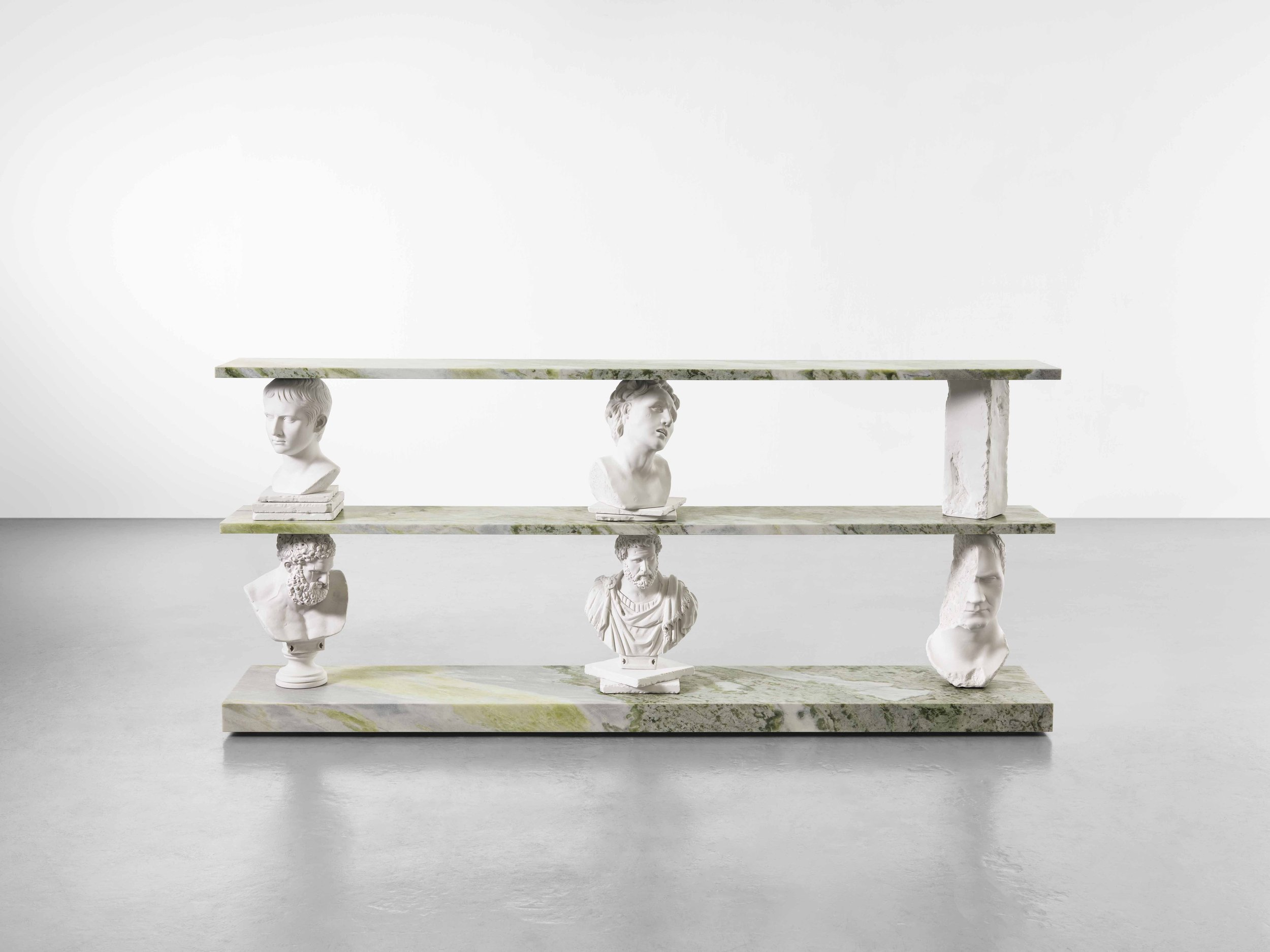
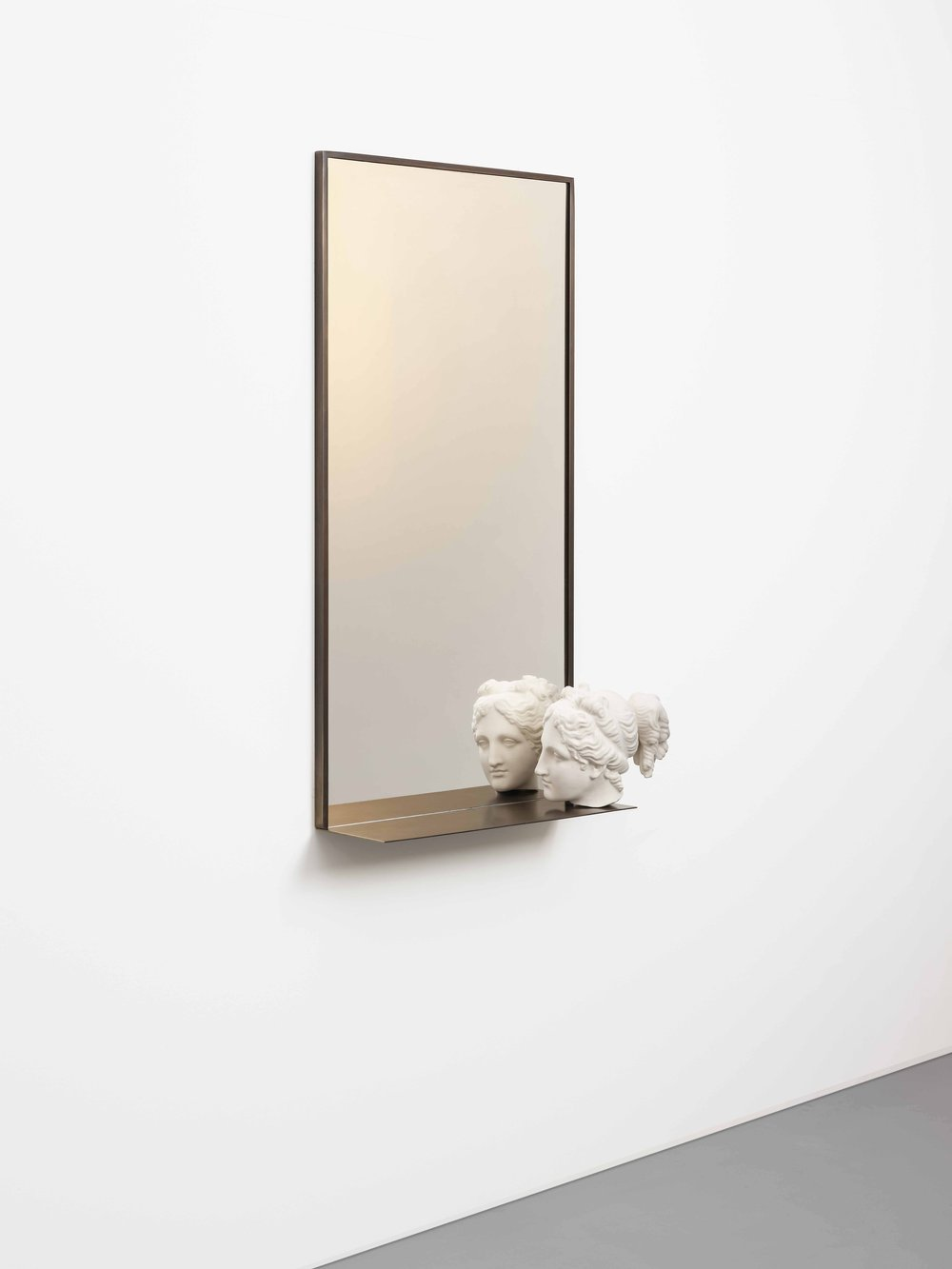
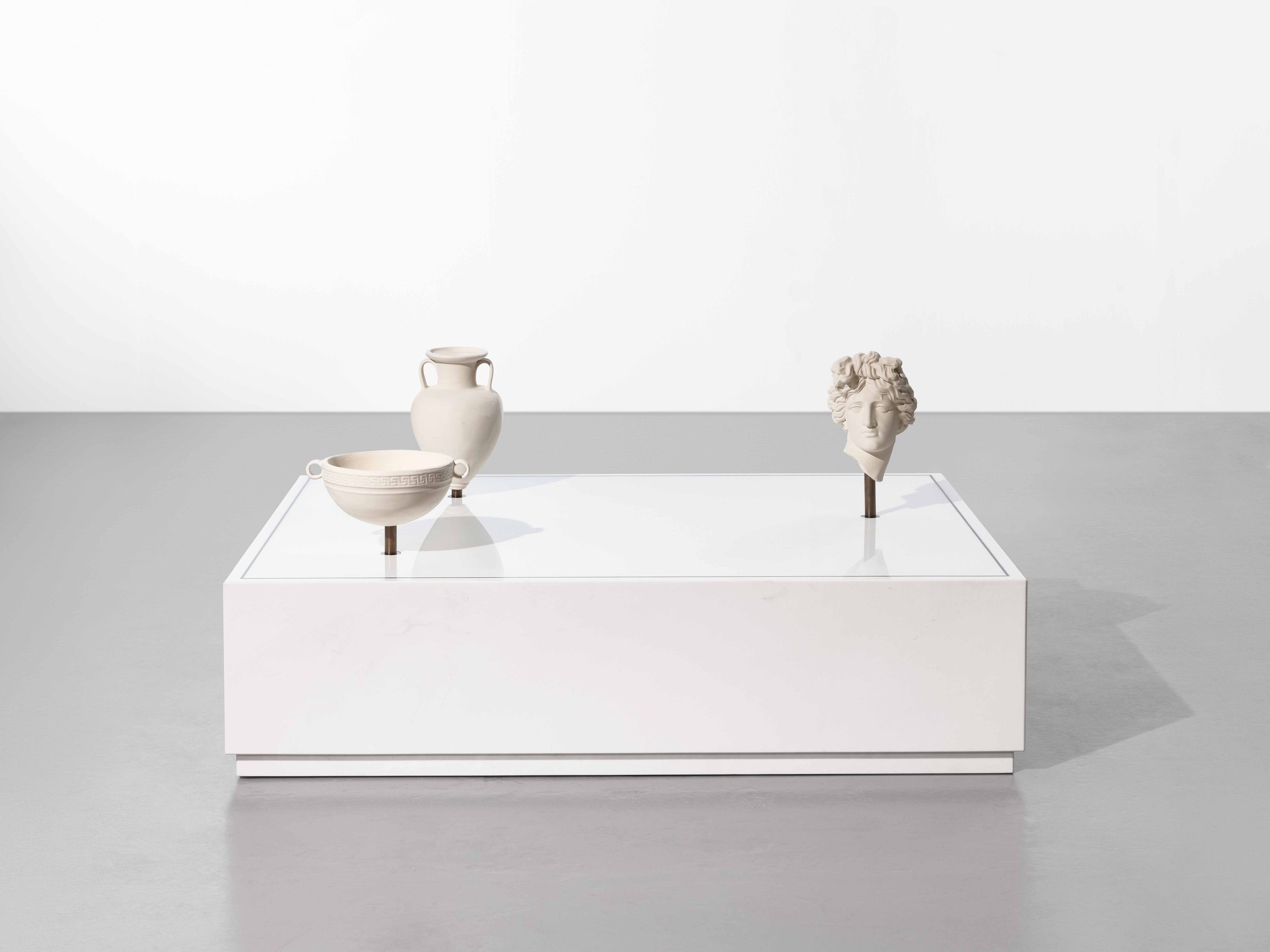
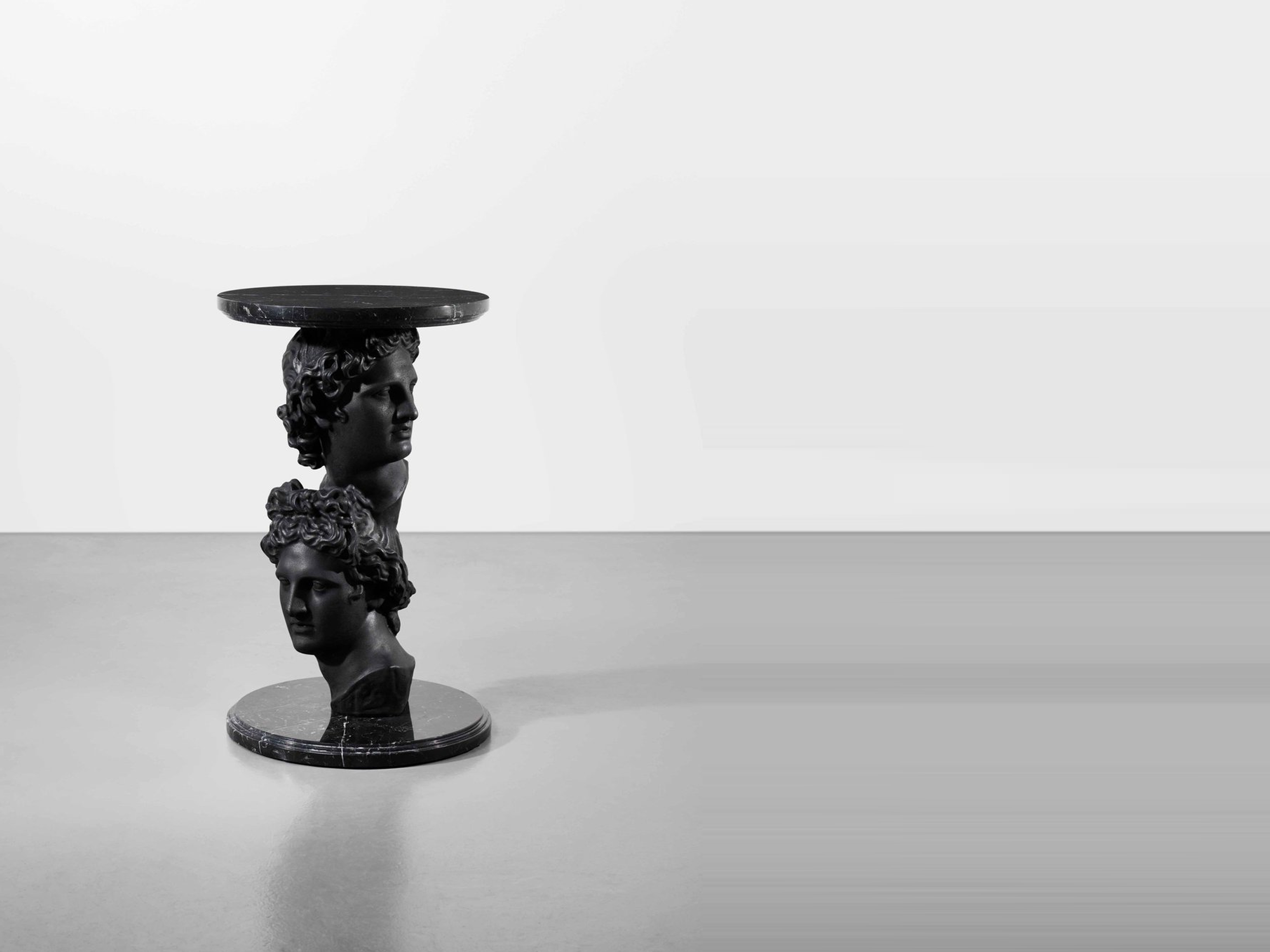
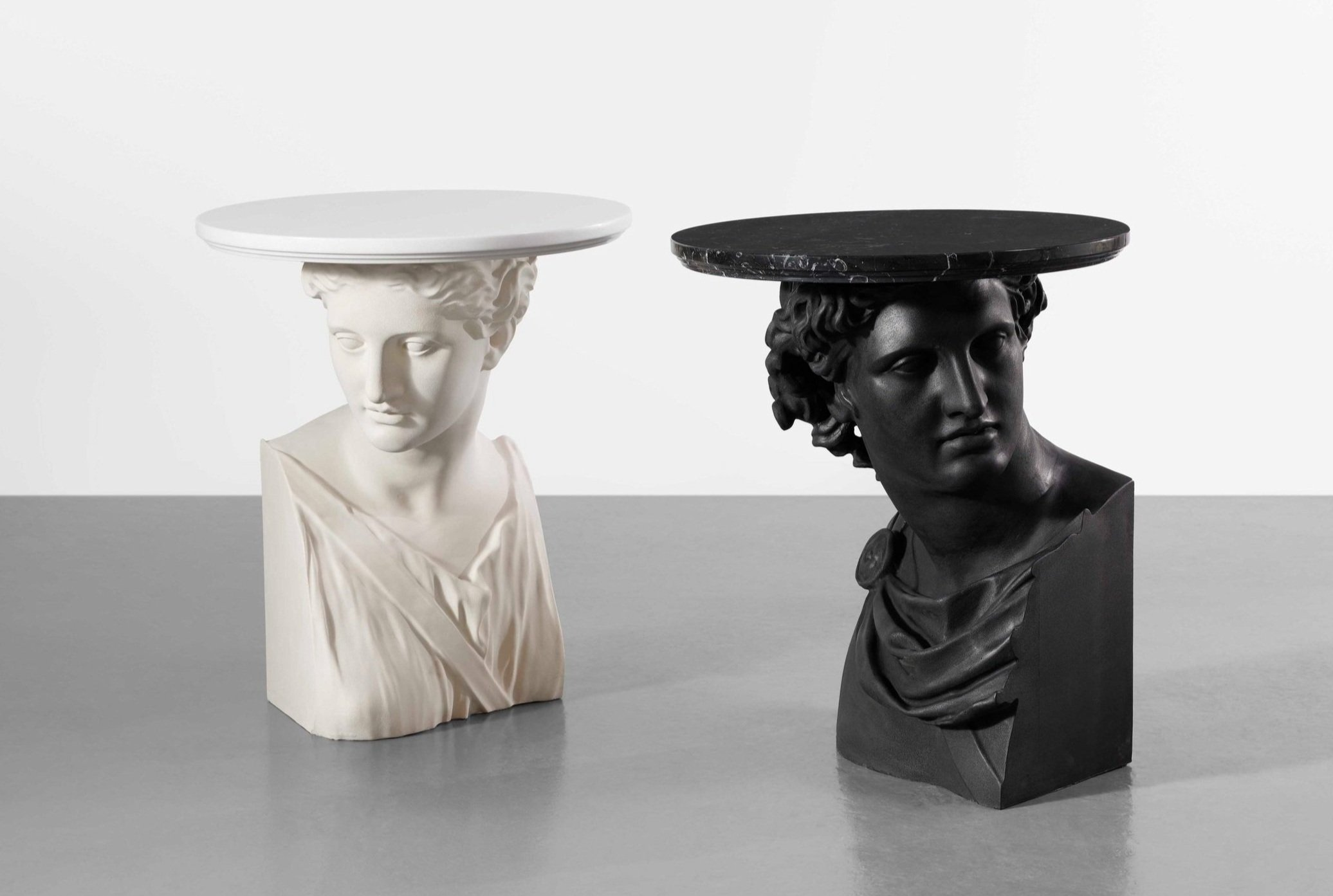
Continuing an exploration of antiquity, Errazuriz creates works that explore eternal notions of human experience, scale and proportion. Abstracting ancient sculptures, Errazuriz reevaluates our relationship to immediately recognisable canons of art, blurring boundaries between technology, design and craft.

Sculptures that once adorned archaeological sites now serve as structural elements for everyday objects. Figures from classical friezes morph into table bases and shelf supports, while curated artifacts are integrated into furniture. This act of appropriation and transformation brings a new narrative to traditional forms and creates a dialogue between the monumental and the intimate.

For enquiries regarding featured works, please contact sales@davidgillgallery.com

Buffet ‘Frieze’ | 2018

Marble, marble composite, wood

VIEW details

Buffet ‘Frieze’ | 2018

Marble, marble composite, wood

VIEW details

Buffet ‘Frieze’ | 2018

Marble, marble composite, wood

VIEW details

Buffet ‘Frieze’ | 2018

Marble, marble composite, wood

VIEW details

Buffet ‘Frieze’ | 2018

Marble, marble composite, wood

VIEW details

Buffet ‘Frieze’ | 2018

Marble, marble composite, wood

VIEW details

Buffet ‘Frieze’ | 2018

Marble, marble composite, wood

VIEW details

ARTIST

CHRIS SCHANCK
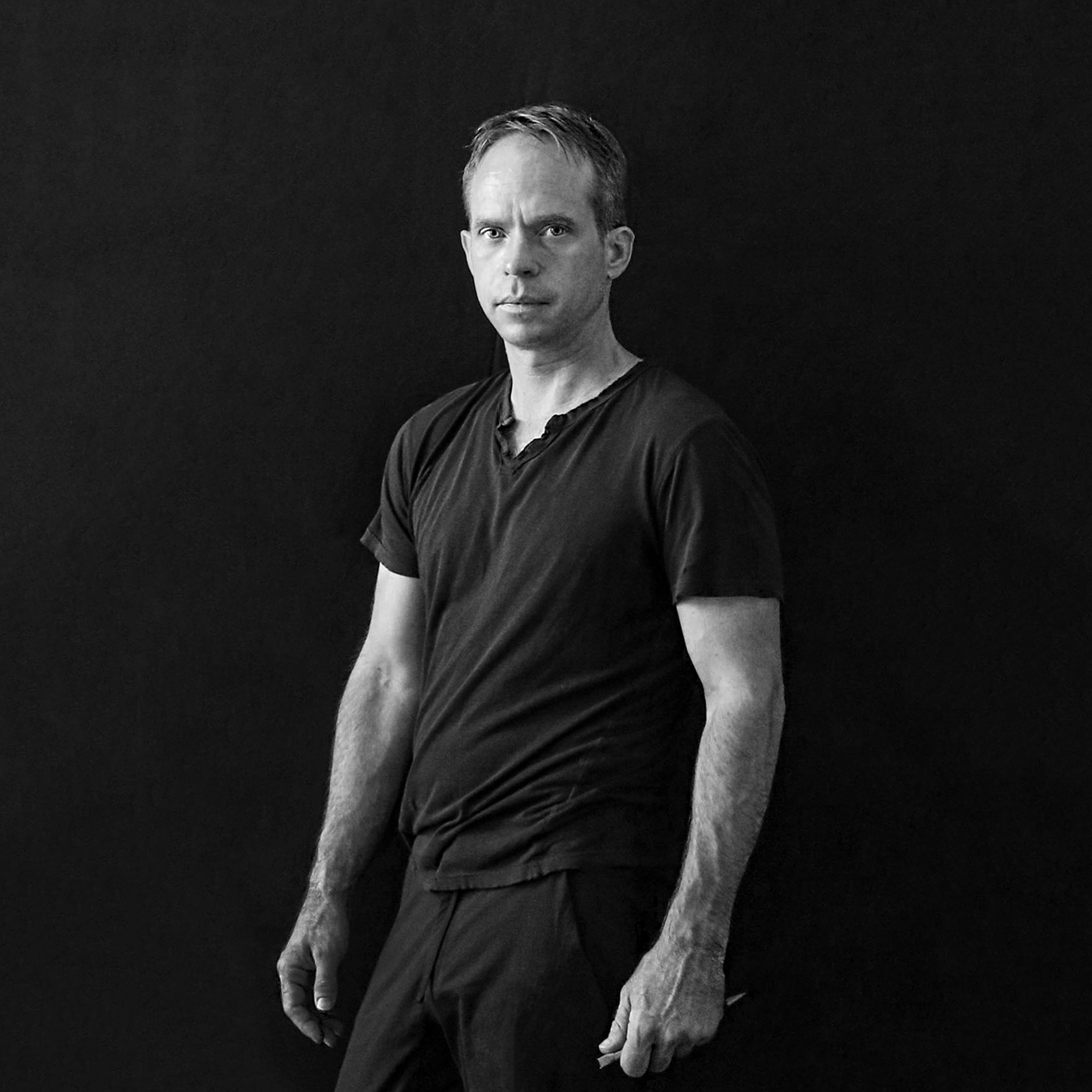
Chris Schanck born in Pittsburgh, in 1975 first studied fine art at the School of Visual Arts in New York and then pursued Design at Cranbrook. The Detroit-based artist’s work plays in the liminal space between art and design. The fantastical pieces he now produces can be judged on their narrative, or their function. Or indeed, on an intriguing material complexity, since Schanck takes multiple elements of little or no value – cheap plywood, scavenged sticks – and both disguises and transforms them with luscious coatings of resin or aluminium foil. Every piece contains more than one story. Detroit plays a major part in Schanck’s story. He moved to the city from New York in 2009 and set up his studio in an area largely inhabited by immigrants from South Asia, particularly Bangladesh. They have named it Banglatown. “It was a very different time,” says Schanck. “I could drive down the opposite side of the street in the middle of the day without anyone seeming to notice or care. Now luxury boutiques have begun to line those same streets. If New York was about finding a place in a status-driven artworld, in Detroit he found an enduring belief in community, self-sufficiency and in art as an end in itself, rather than a means to accrue money and repute. “Art and life exist as a co-dependent relationship inside myself, and we’ve always looked after each other.” he says. In his studio, there are now seven assistants, including two local Bengali women. DISCOVER MORE